The Appeal of Website Templates
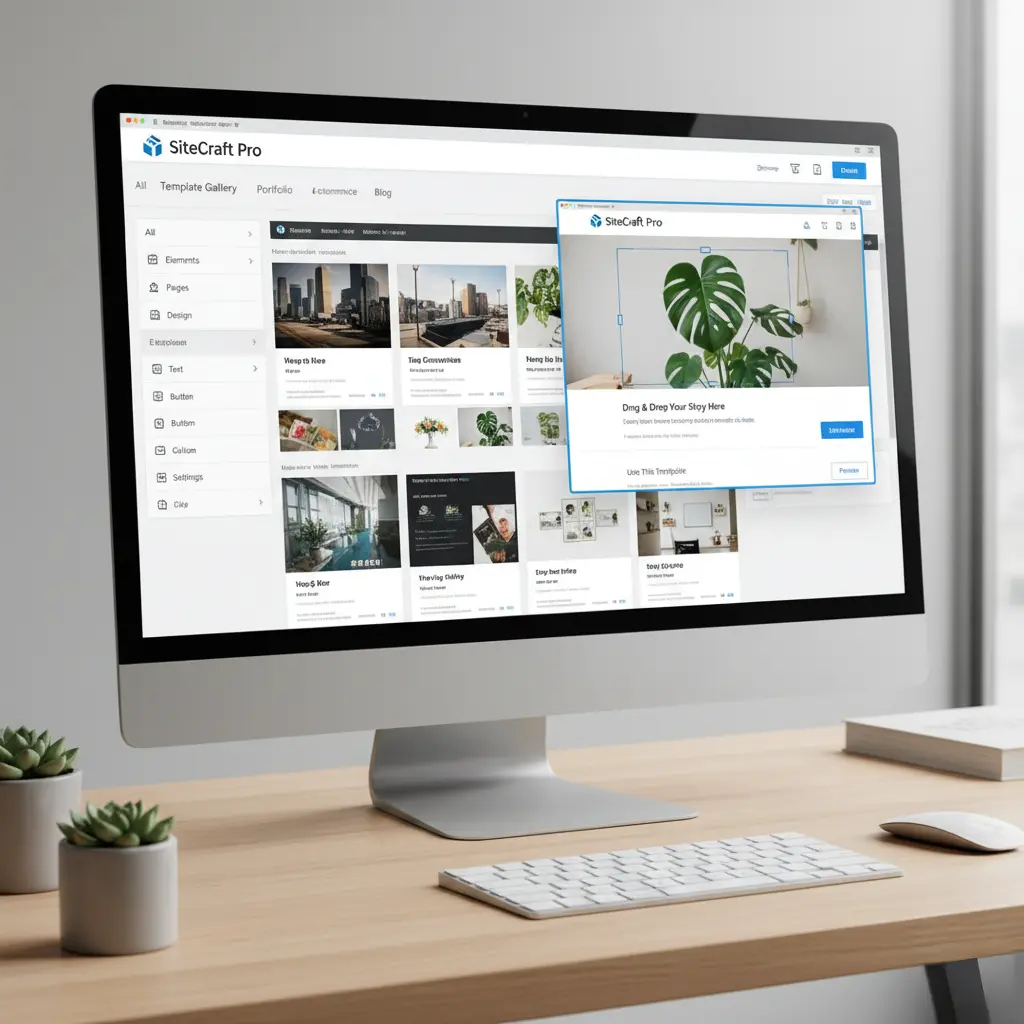
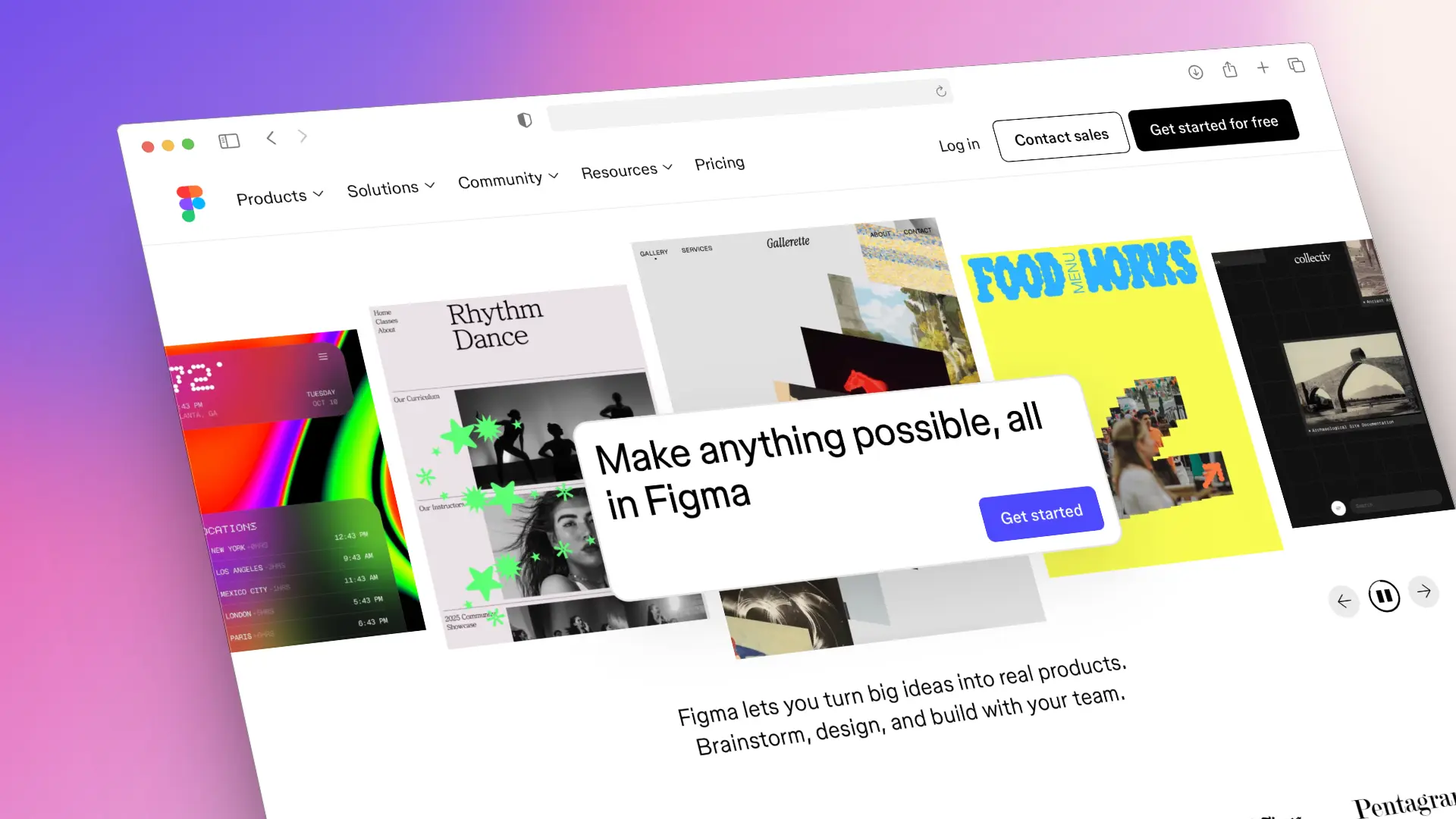
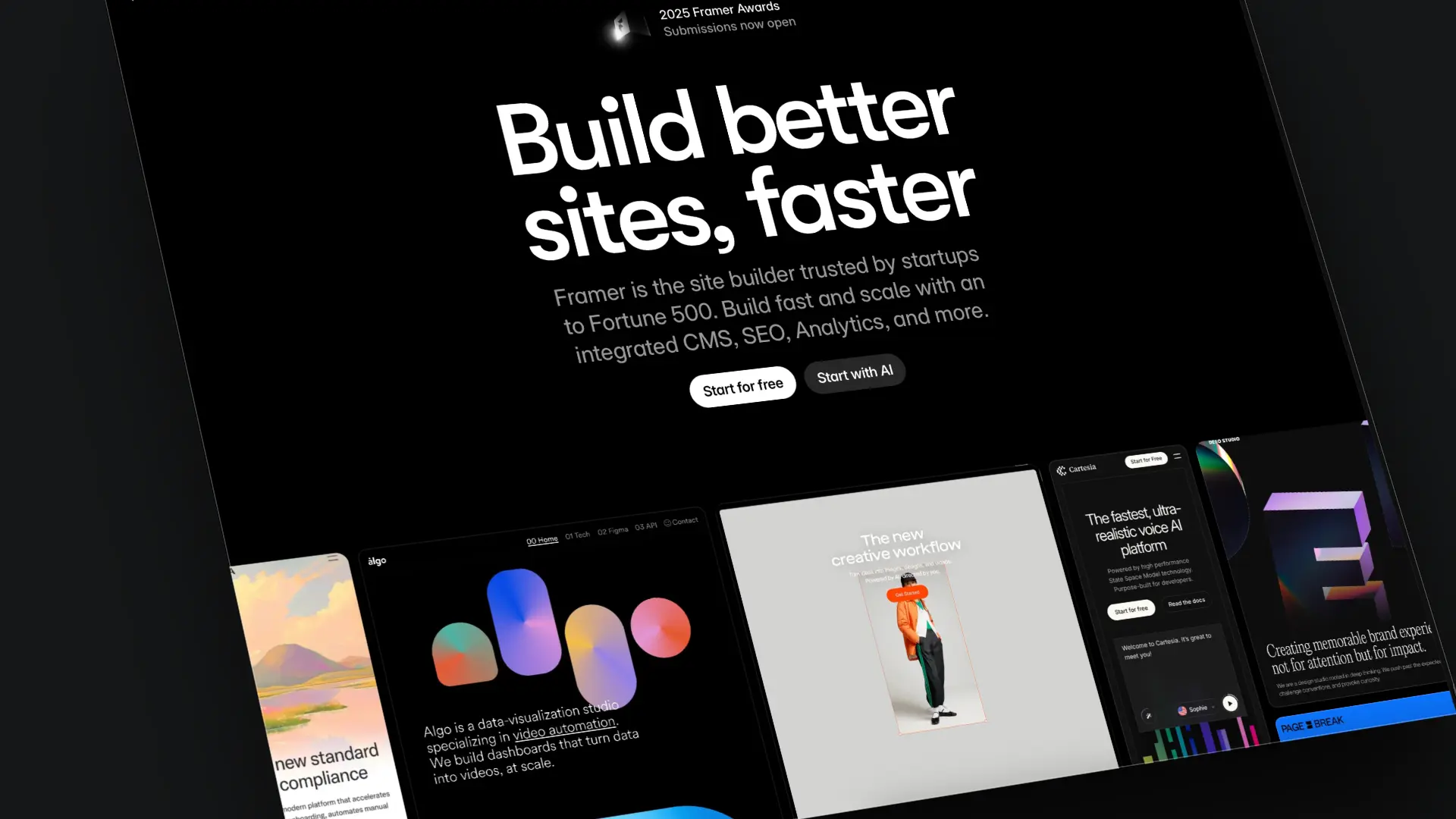
Website templates are attractive for a reason. They’re quick to launch, visually polished, and promise a professional result without the cost or complexity of custom design.
For many businesses, templates feel like the smart choice. Pick a layout, swap the content, publish, and move on.
The problem is not how templates look.
It’s how they’re used.
Why “Good Looking” Isn’t the Same as Effective
Most templates are designed to appeal to the widest possible audience. That means neutral messaging, familiar layouts, and safe design patterns.
Visually, they work.
Strategically, they often fall short.
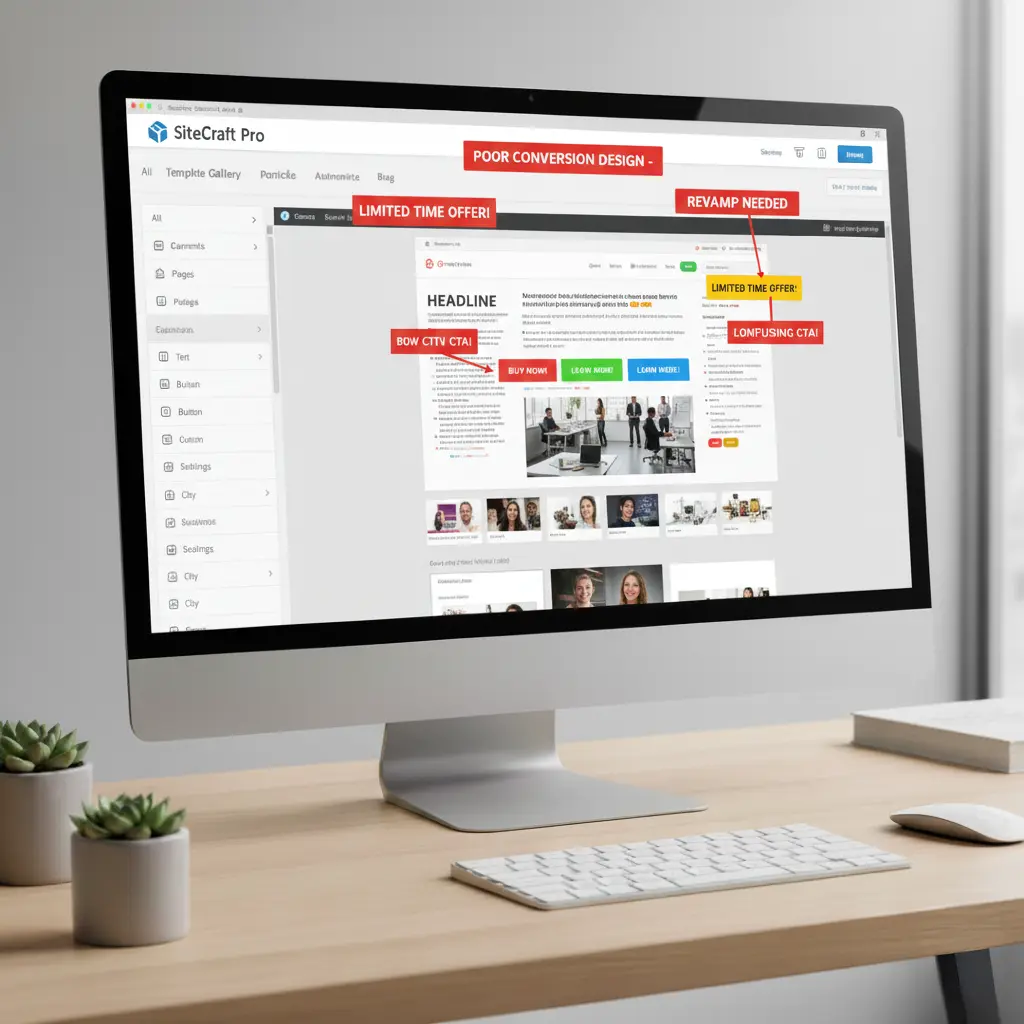
When a website looks good but fails to convert, it’s usually because:
The message isn’t clear enough
The structure doesn’t guide action
The content doesn’t speak directly to a specific audience
Templates optimise for appearance, not outcomes.
Familiar Layouts Create Invisible Friction
Many templates rely on patterns users have already seen hundreds of times. While familiarity can feel comfortable, it can also reduce impact.
If everything looks expected:
Nothing stands out
Calls to action blend in
Value propositions feel generic
Visitors don’t struggle to use the site.
They struggle to care.
That’s a conversion problem, not a design flaw.
When Templates Actually Work
Templates are not inherently bad. They work well when:
The business has a very clear offer
The audience is well defined
The content has been written with intent
The structure has been adapted, not copied
In these cases, a template becomes a framework, not a shortcut.
The issue is assuming the template will do the thinking for you.
Why Conversion Requires Custom Thinking
Conversion is not about visual polish. It’s about decision-making.
A website needs to:
Answer questions quickly
Remove uncertainty
Guide users toward one clear action
That requires understanding the business, the audience, and the goal of the page. No template can provide that out of the box.
Templates can support a strategy.
They cannot replace one.
Use Templates With Intent, Not Hope
If a website isn’t converting, the solution is rarely “a better template.”
More often, it’s:
Clearer positioning
Stronger messaging
Better hierarchy
A defined purpose for each page
When those things are in place, templates can work beautifully.
Without them, even the best-looking layout will underperform.
When Templates Actually Work
Templates are not inherently bad. They work well when:
The business has a very clear offer
The audience is well defined
The content has been written with intent
The structure has been adapted, not copied
In these cases, a template becomes a framework, not a shortcut.
The issue is assuming the template will do the thinking for you.
Why Conversion Requires Custom Thinking
Conversion is not about visual polish. It’s about decision-making.
A website needs to:
Answer questions quickly
Remove uncertainty
Guide users toward one clear action
That requires understanding the business, the audience, and the goal of the page. No template can provide that out of the box.
Templates can support a strategy.
They cannot replace one.
Use Templates With Intent, Not Hope
If a website isn’t converting, the solution is rarely “a better template.”
More often, it’s:
Clearer positioning
Stronger messaging
Better hierarchy
A defined purpose for each page
When those things are in place, templates can work beautifully.
Without them, even the best-looking layout will underperform.
When Templates Actually Work
Templates are not inherently bad. They work well when:
The business has a very clear offer
The audience is well defined
The content has been written with intent
The structure has been adapted, not copied
In these cases, a template becomes a framework, not a shortcut.
The issue is assuming the template will do the thinking for you.
Why Conversion Requires Custom Thinking
Conversion is not about visual polish. It’s about decision-making.
A website needs to:
Answer questions quickly
Remove uncertainty
Guide users toward one clear action
That requires understanding the business, the audience, and the goal of the page. No template can provide that out of the box.
Templates can support a strategy.
They cannot replace one.
Use Templates With Intent, Not Hope
If a website isn’t converting, the solution is rarely “a better template.”
More often, it’s:
Clearer positioning
Stronger messaging
Better hierarchy
A defined purpose for each page
When those things are in place, templates can work beautifully.
Without them, even the best-looking layout will underperform.