Why High-Performing Websites Start With Questions, Not Design
The questions we ask before any redesign. This is the difference between a website that looks good and one that earns trust and drives enquiries.
The Redesign Trap
Most redesigns start the same way: “We need it to look more modern.”
That’s not a strategy. That’s a reaction.
A modern look can help, but it rarely fixes the real problem. If a website isn’t converting, the cause is usually unclear messaging, weak structure, or a confusing next step. New colours and a shiny layout won’t solve that.
Design doesn’t create clarity. It reveals whether clarity exists.
The First Questions That Matter
Before choosing a template, layout, or style, we need answers to a few simple questions:
Who is this website for, specifically?
What problem are they trying to solve right now?
What should they do next, one clear action?
Why should they choose you over alternatives?
What would make them hesitate?
If those answers are vague, the website will be vague.
What We Look for Before Touching Design
A redesign should start with evidence, not aesthetics.
Before any design work begins, we look at:
Which pages get traffic and which lose it
Where users drop off and what they do before leaving
Whether the first screen explains the offer in seconds
Whether calls to action are clear, consistent, and purposeful
Whether the site supports trust through proof, clarity, and credibility
This is the foundation. Design comes after.
Where Framer Fits
Once the thinking is clear, the tools matter.
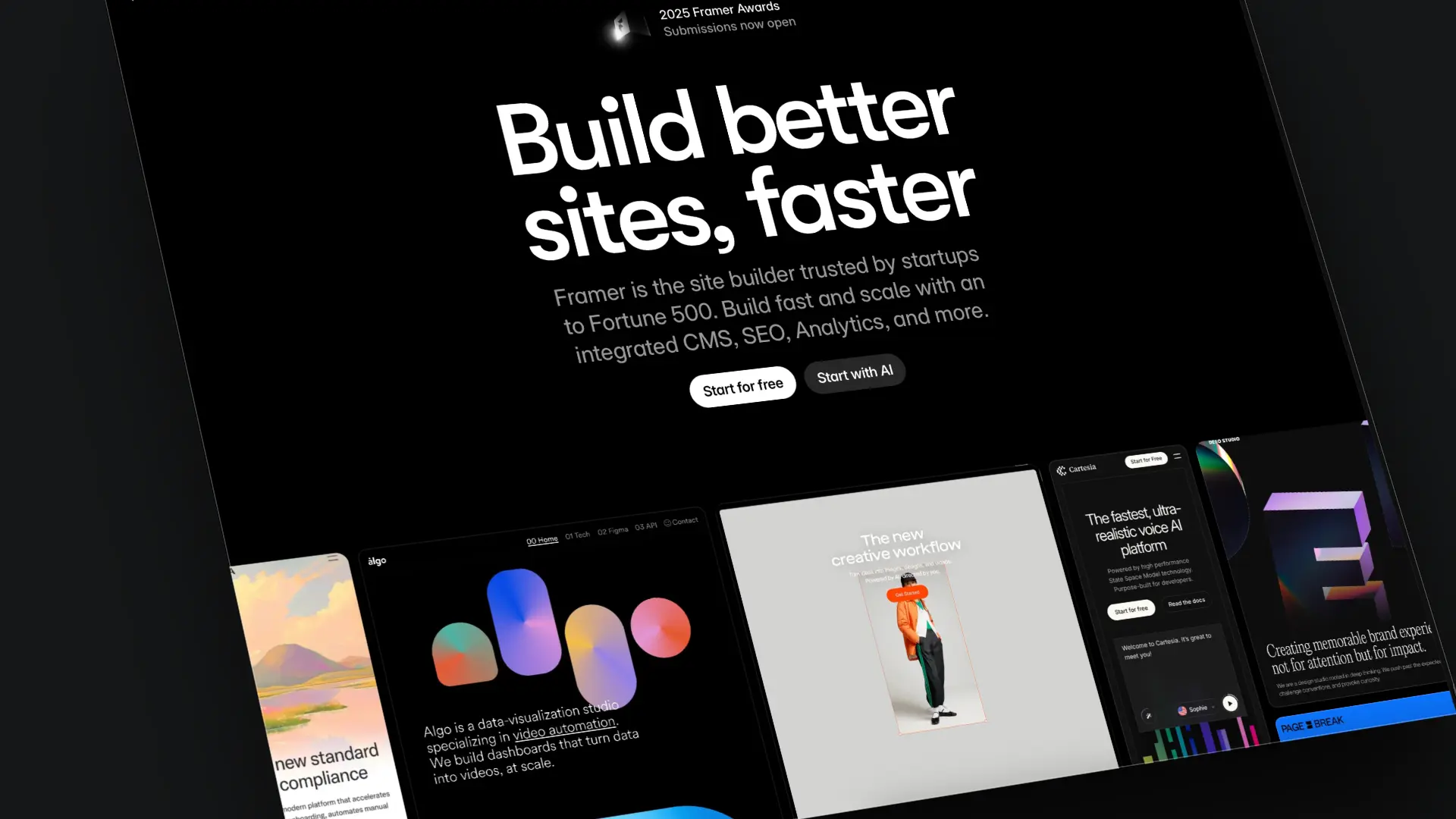
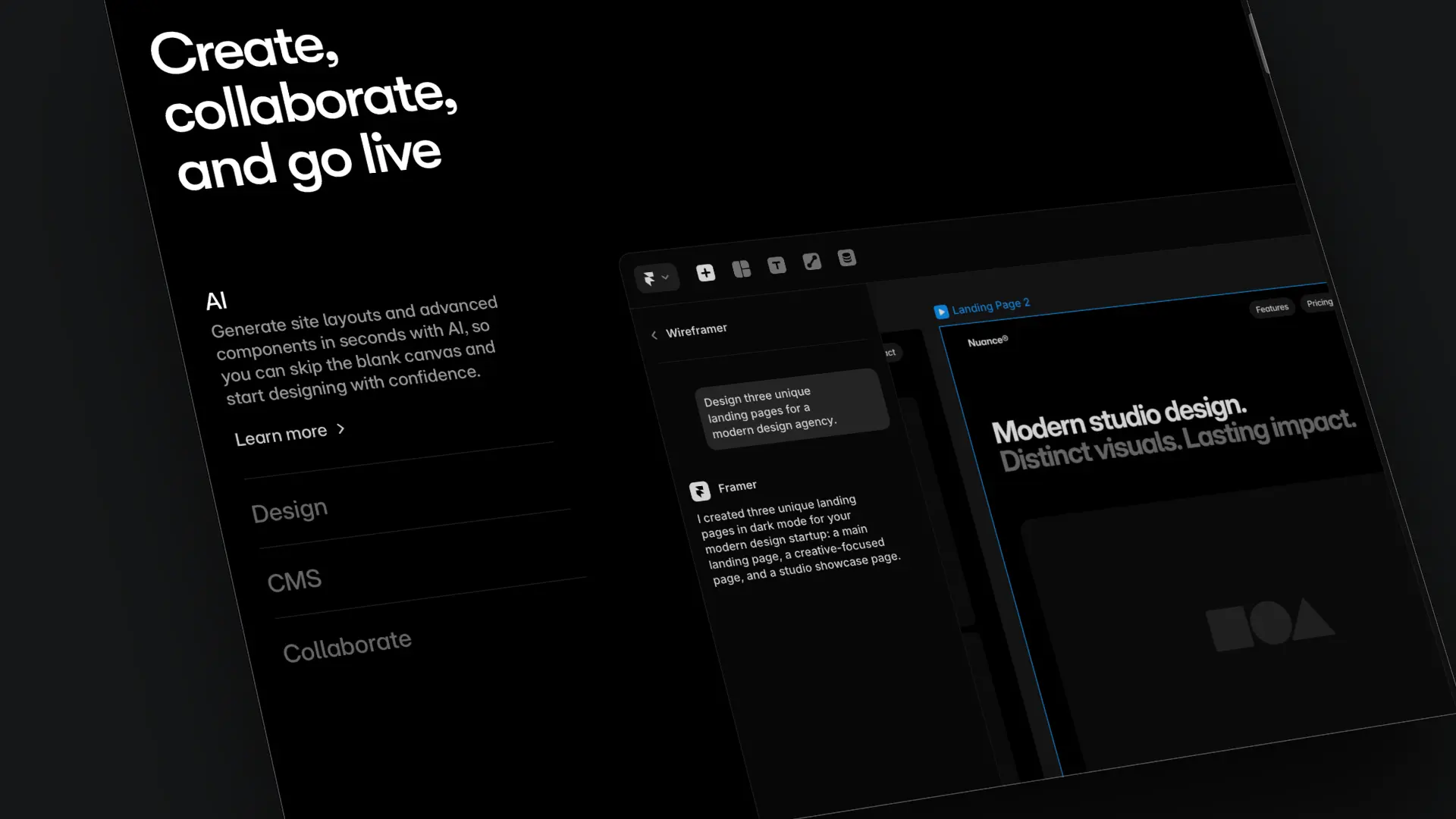
We often build in Framer because it supports this process without getting in the way. It allows structure, performance, and iteration to happen together, making it easier to test ideas, refine messaging, and adapt layouts as clarity improves.
Framer helps us see how content, hierarchy, and interaction work as a system, not as isolated design decisions. It also prioritises speed and performance, which reduces friction for users and supports visibility in search.
The tool doesn’t replace strategy, but it removes many of the technical barriers that usually slow execution down.
Clarity Beats Clever Every Time
A website doesn’t need to impress everyone. It needs to make the right people feel confident.
High-performing websites do three things quickly:
Explain what the business does
Make it obvious who it’s for
Make the next step easy
If a visitor has to think too hard, they leave. That’s not a design taste issue. That’s decision friction.
When a Redesign Is Actually the Right Move
Sometimes a redesign is exactly what’s needed. But it’s the right move only when:
The offer and audience are clear
The content is written with intent
The structure supports one primary goal
The site has clear proof and credibility
Performance is fast enough to earn trust
When those pieces are in place, modern platforms like Framer make it easier to turn clear thinking into fast, structured, and scalable websites.
A redesign without these ingredients is just cosmetic surgery on a broken system.
Start With Questions, Then Build
The fastest way to waste money on a website is to start with visuals.
The fastest way to build something that works is to start with questions. When the thinking is clear, design becomes easier, faster, and far more effective.
That’s how websites stop being decorative and start being useful.
What We Look for Before Touching Design
A redesign should start with evidence, not aesthetics.
Before any design work begins, we look at:
Which pages get traffic and which lose it
Where users drop off and what they do before leaving
Whether the first screen explains the offer in seconds
Whether calls to action are clear, consistent, and purposeful
Whether the site supports trust through proof, clarity, and credibility
This is the foundation. Design comes after.
Where Framer Fits
Once the thinking is clear, the tools matter.
We often build in Framer because it supports this process without getting in the way. It allows structure, performance, and iteration to happen together, making it easier to test ideas, refine messaging, and adapt layouts as clarity improves.
Framer helps us see how content, hierarchy, and interaction work as a system, not as isolated design decisions. It also prioritises speed and performance, which reduces friction for users and supports visibility in search.
The tool doesn’t replace strategy, but it removes many of the technical barriers that usually slow execution down.
Clarity Beats Clever Every Time
A website doesn’t need to impress everyone. It needs to make the right people feel confident.
High-performing websites do three things quickly:
Explain what the business does
Make it obvious who it’s for
Make the next step easy
If a visitor has to think too hard, they leave. That’s not a design taste issue. That’s decision friction.
When a Redesign Is Actually the Right Move
Sometimes a redesign is exactly what’s needed. But it’s the right move only when:
The offer and audience are clear
The content is written with intent
The structure supports one primary goal
The site has clear proof and credibility
Performance is fast enough to earn trust
When those pieces are in place, modern platforms like Framer make it easier to turn clear thinking into fast, structured, and scalable websites.
A redesign without these ingredients is just cosmetic surgery on a broken system.
Start With Questions, Then Build
The fastest way to waste money on a website is to start with visuals.
The fastest way to build something that works is to start with questions. When the thinking is clear, design becomes easier, faster, and far more effective.
That’s how websites stop being decorative and start being useful.
What We Look for Before Touching Design
A redesign should start with evidence, not aesthetics.
Before any design work begins, we look at:
Which pages get traffic and which lose it
Where users drop off and what they do before leaving
Whether the first screen explains the offer in seconds
Whether calls to action are clear, consistent, and purposeful
Whether the site supports trust through proof, clarity, and credibility
This is the foundation. Design comes after.
Where Framer Fits
Once the thinking is clear, the tools matter.
We often build in Framer because it supports this process without getting in the way. It allows structure, performance, and iteration to happen together, making it easier to test ideas, refine messaging, and adapt layouts as clarity improves.
Framer helps us see how content, hierarchy, and interaction work as a system, not as isolated design decisions. It also prioritises speed and performance, which reduces friction for users and supports visibility in search.
The tool doesn’t replace strategy, but it removes many of the technical barriers that usually slow execution down.
Clarity Beats Clever Every Time
A website doesn’t need to impress everyone. It needs to make the right people feel confident.
High-performing websites do three things quickly:
Explain what the business does
Make it obvious who it’s for
Make the next step easy
If a visitor has to think too hard, they leave. That’s not a design taste issue. That’s decision friction.
When a Redesign Is Actually the Right Move
Sometimes a redesign is exactly what’s needed. But it’s the right move only when:
The offer and audience are clear
The content is written with intent
The structure supports one primary goal
The site has clear proof and credibility
Performance is fast enough to earn trust
When those pieces are in place, modern platforms like Framer make it easier to turn clear thinking into fast, structured, and scalable websites.
A redesign without these ingredients is just cosmetic surgery on a broken system.
Start With Questions, Then Build
The fastest way to waste money on a website is to start with visuals.
The fastest way to build something that works is to start with questions. When the thinking is clear, design becomes easier, faster, and far more effective.
That’s how websites stop being decorative and start being useful.
Next blog
Next blog
Next blog
Take a deeper dive and browse through more of our posts
Explore our extensive collection of posts for in-depth insights and valuable information.
Explore our extensive collection of posts for in-depth insights and valuable information.
Explore our extensive collection of posts for in-depth insights and valuable information.