UX Design

UX Design

Why most AI-designed websites look the same

Why AI-built websites often feel identical, and what’s missing between fast generation and real differentiation. A practical look at how structure, positioning, and intent still define effective UX.

Desktop website mockups comparing a landscaping business homepage and a technology company homepage, shown side by side on modern screens.

The illusion of choice in AI website builders

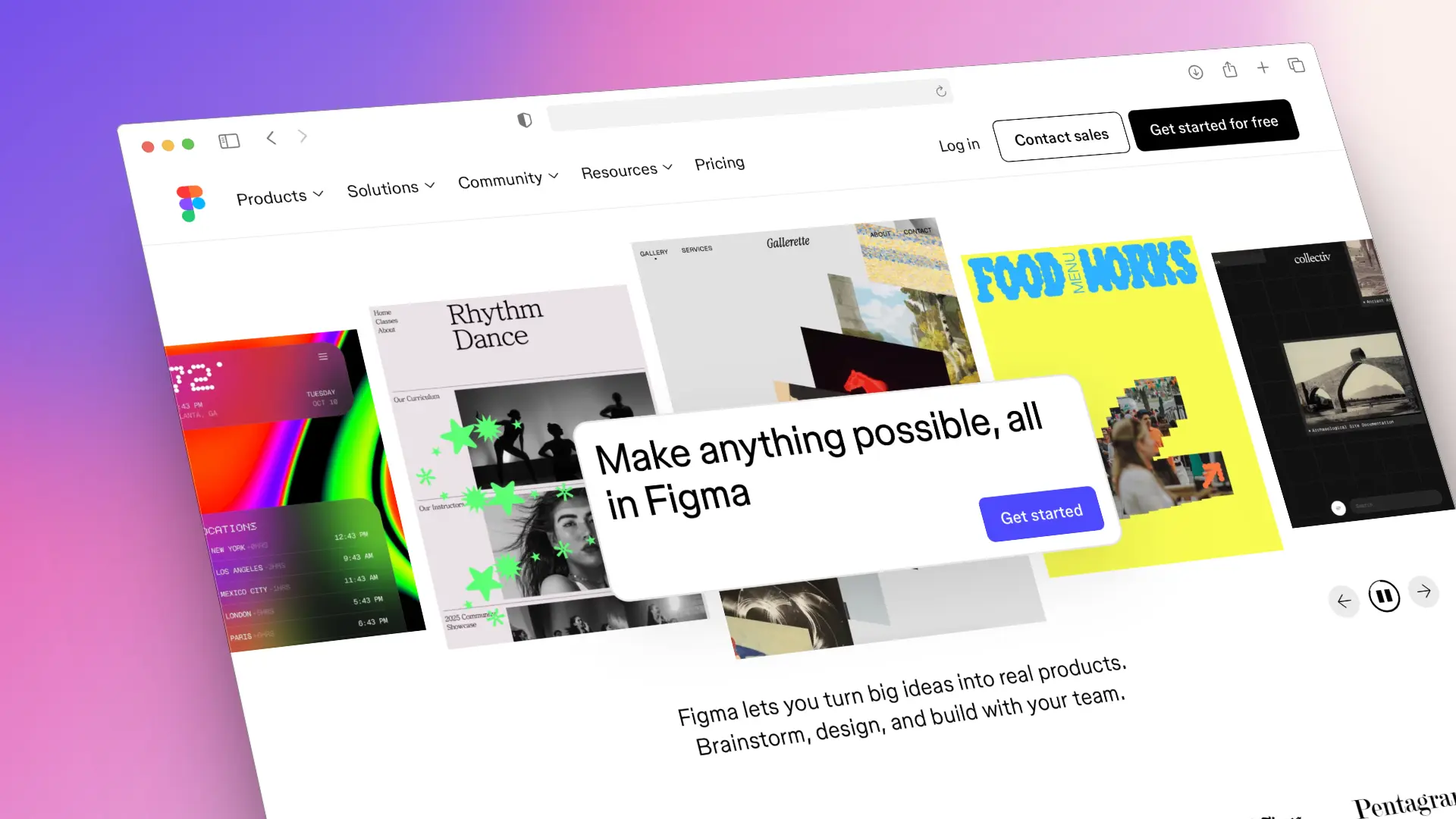
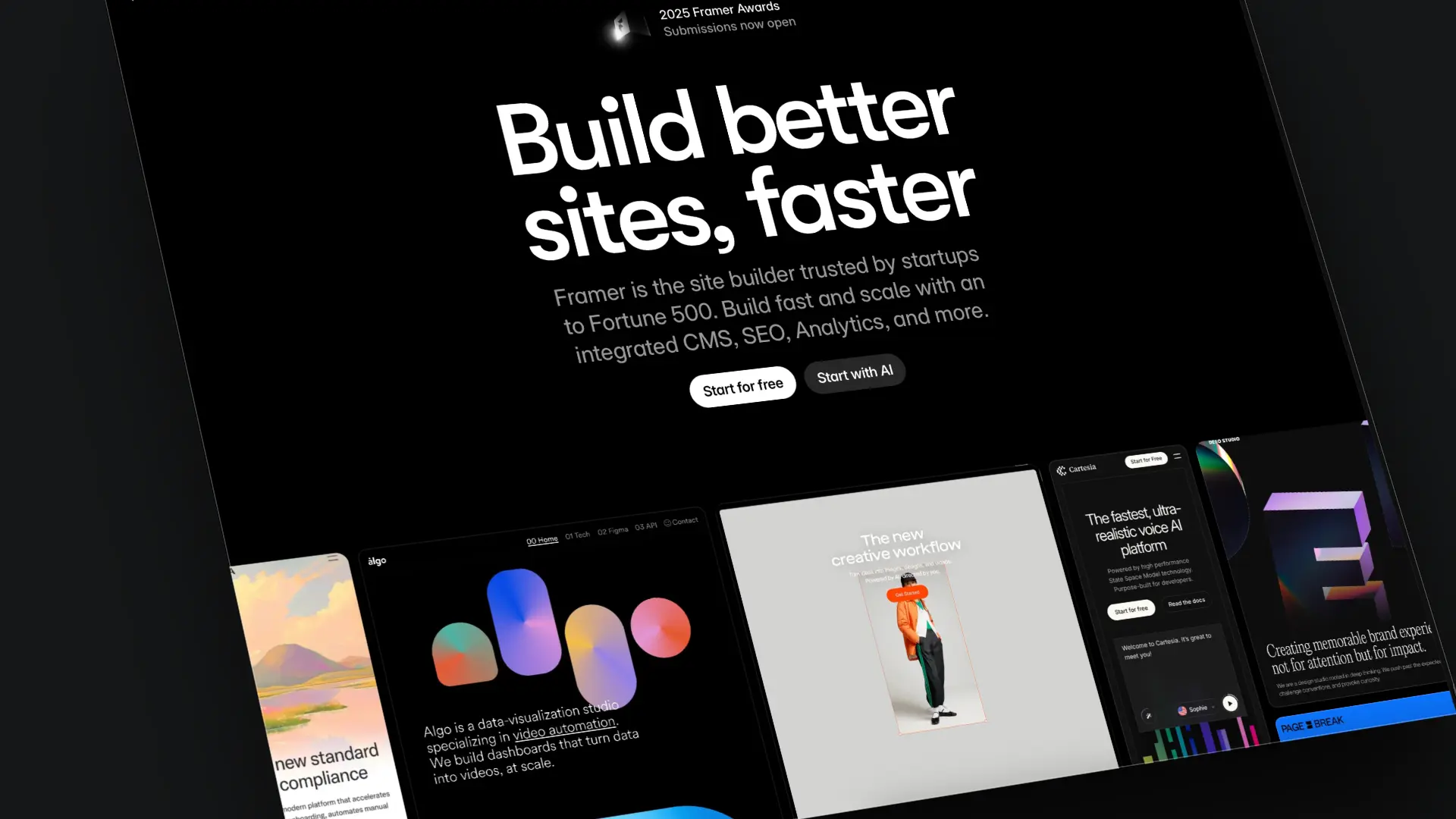
AI website builders promise speed, flexibility, and originality. In reality, most outputs feel interchangeable. Same layouts. Same spacing. Same hero sections. Different logo, same website.

This happens because AI tools don’t design from intent, they design from probability. They pull from the most common patterns across thousands of existing sites and recombine them into something “safe.”

Safe scales. Original doesn’t.

Pattern bias beats brand thinking

AI tools optimise for what works on average, not what works for your brand. That means:

  • Familiar hero layouts with headline, sub-headline, and CTA.

  • Predictable section ordering and grid systems.

  • Overused typography pairings and colour logic.

  • Generic messaging that avoids risk or specificity.

The result is a website that looks fine, but says nothing.

Ecommerce website design mockups for sustainable fashion and coffee brands, displayed across multiple desktop screens.

Why sameness hurts conversion

When every site follows the same structure, users stop paying attention. Visual familiarity kills differentiation, and differentiation is what drives trust, memory, and action.

Conversion suffers because:

  • Messaging isn’t tied to a real positioning strategy.

  • User flow is generic, not audience-specific.

  • CTAs lack urgency or context.

  • The site doesn’t answer “why you” fast enough.

AI can assemble components. It can’t decide what matters

How to break out of the AI template trap

AI is useful when it supports decision-making, not when it replaces it. The strongest websites still start with human inputs:

  • Clear positioning and competitive context.

  • Intentional content hierarchy.

  • Conversion-led page structure.

  • Brand personality translated into layout and tone.

AI can speed up execution, but strategy, structure, and restraint are still human jobs.

The real takeaway

If your website looks like everyone else’s, it won’t convert like you want it to. AI can help you build faster, but only deliberate design choices make a site effective.

Speed gets you online. Structure gets you results.

Why sameness hurts conversion

When every site follows the same structure, users stop paying attention. Visual familiarity kills differentiation, and differentiation is what drives trust, memory, and action.

Conversion suffers because:

  • Messaging isn’t tied to a real positioning strategy.

  • User flow is generic, not audience-specific.

  • CTAs lack urgency or context.

  • The site doesn’t answer “why you” fast enough.

AI can assemble components. It can’t decide what matters

How to break out of the AI template trap

AI is useful when it supports decision-making, not when it replaces it. The strongest websites still start with human inputs:

  • Clear positioning and competitive context.

  • Intentional content hierarchy.

  • Conversion-led page structure.

  • Brand personality translated into layout and tone.

AI can speed up execution, but strategy, structure, and restraint are still human jobs.

The real takeaway

If your website looks like everyone else’s, it won’t convert like you want it to. AI can help you build faster, but only deliberate design choices make a site effective.

Speed gets you online. Structure gets you results.

Why sameness hurts conversion

When every site follows the same structure, users stop paying attention. Visual familiarity kills differentiation, and differentiation is what drives trust, memory, and action.

Conversion suffers because:

  • Messaging isn’t tied to a real positioning strategy.

  • User flow is generic, not audience-specific.

  • CTAs lack urgency or context.

  • The site doesn’t answer “why you” fast enough.

AI can assemble components. It can’t decide what matters

How to break out of the AI template trap

AI is useful when it supports decision-making, not when it replaces it. The strongest websites still start with human inputs:

  • Clear positioning and competitive context.

  • Intentional content hierarchy.

  • Conversion-led page structure.

  • Brand personality translated into layout and tone.

AI can speed up execution, but strategy, structure, and restraint are still human jobs.

The real takeaway

If your website looks like everyone else’s, it won’t convert like you want it to. AI can help you build faster, but only deliberate design choices make a site effective.

Speed gets you online. Structure gets you results.

Next blog

Next blog

Next blog

Take a deeper dive and browse through more of our posts

Explore our extensive collection of posts for in-depth insights and valuable information.

Explore our extensive collection of posts for in-depth insights and valuable information.

Explore our extensive collection of posts for in-depth insights and valuable information.